
Essential Steps for Effective Post Construction Cleaning in New Westminster: A Complete Guide

Post-construction cleaning gets new or renovated properties ready for people by removing build-up, managing fine dust, and restoring surfaces so spaces are truly move-in ready. This guide walks you through practical steps, safety best practices, equipment choices, and a room-by-room checklist tailored for post-renovation cleanup in New Westminster and the Lower Mainland. You’ll learn the industry-standard three-phase approach (Rough, Light, Final), why HEPA-rated tools matter for dust control, and how eco-friendly cleaning protects finishes and indoor air. The guide also includes checklists for interior and exterior work, time-and-crew planning notes, and safety guidance for hazardous materials. Use it to plan a commercial or residential turnover, then request a free quote or book services when you’re ready.
What Is Post Construction Cleaning and Why Is It Important in New Westminster?
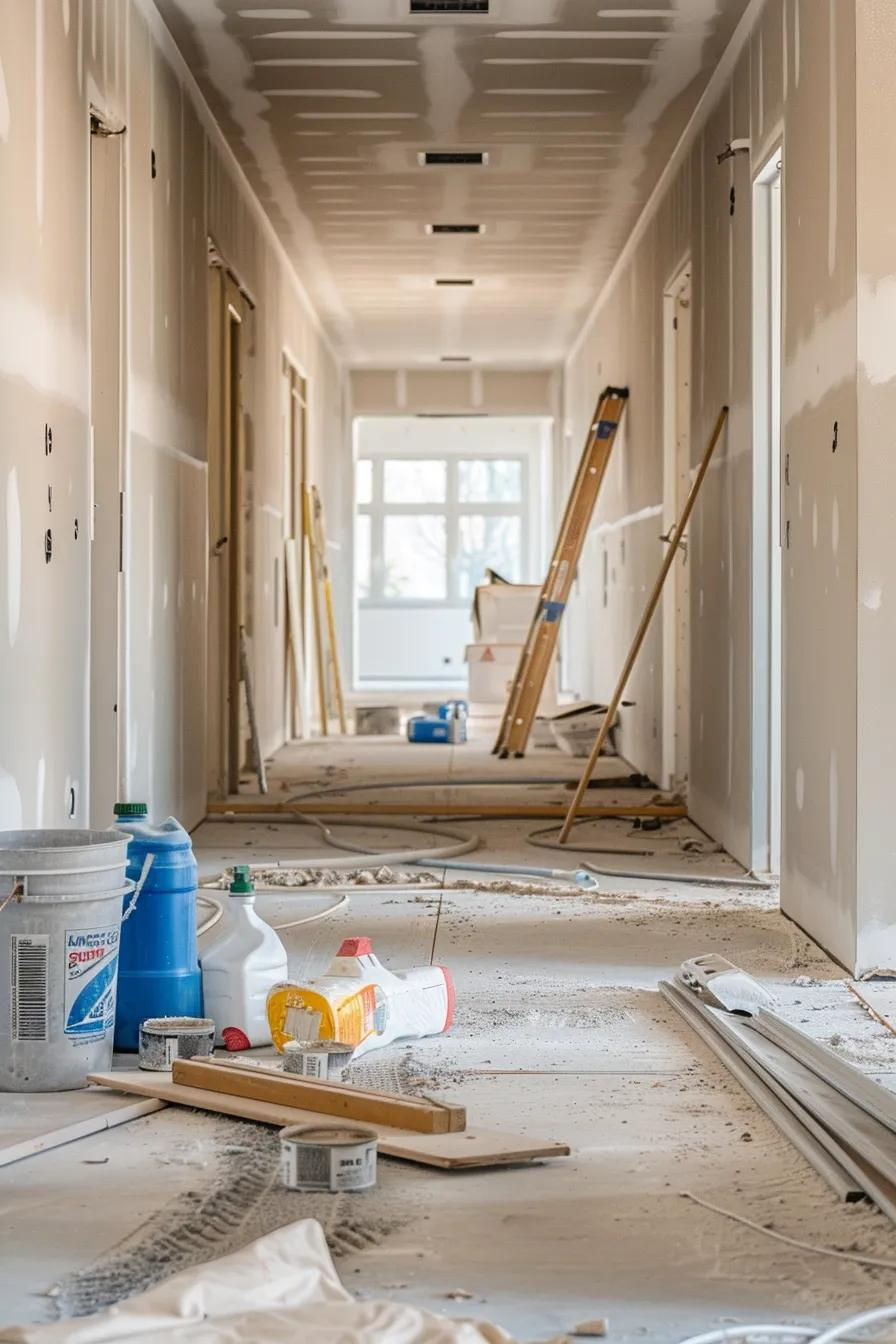
Post-construction cleaning is the deliberate removal of debris, settled dust, adhesive residues, and other leftovers after building or renovation so spaces are safe, hygienic, and presentation-ready. The service relies on staged cleaning phases, surface-specific techniques, and specialist equipment to control respirable dust and protect finishes — which reduces rework and improves occupant health. In New Westminster, local weather and common construction methods make thorough dust control and moisture-aware floor care especially important to preserve finishes and indoor air quality. A clear, phased approach also shortens turnover for contractors and owners by giving predictable QC checkpoints and acceptance criteria. Knowing what the service covers helps teams schedule cleaning around inspections and move-ins with confidence.
What Does Post Construction Cleaning Include?
Post-construction cleaning covers tasks that move from bulk waste removal to precise, finish-friendly polishing. Work varies by site type — residential, commercial, or industrial — but common tasks include debris removal and disposal, HEPA vacuuming of settled dust, surface wiping and polishing of fixtures, window and glass cleaning, floor care (hard floors and carpets), and restroom sanitization. Some tasks are standard, like rough sweeping and waste haul-away; others are specialized — for example, industrial scrubbers or high-elevation glass cleaning — and need extra skill or equipment. Match the task list to the project’s finish sensitivity: delicate stone and fresh paint require different products and dilution than durable tile. These steps lead into the three-phase workflow that delivers consistent, high-quality results.
Why Choose Professional Post Construction Cleaning Services?
Professional crews bring training, processes, and the right equipment to cut risk, save time, and protect finishes and future occupants. Trained teams follow safety protocols, use PPE, and rely on industry-standard tools — HEPA vacuums, microfiber systems, and finish-safe cleaners — that control dust without causing damage. That means faster turnover and fewer punch-list items. Professionals also provide quality assurance with documented checklists and acceptance criteria so contractors and owners can sign off quickly. For projects in New Westminster and the Lower Mainland, choosing a provider that offers eco-friendly products and flexible scheduling keeps disruption low while supporting occupant health priorities.
What Are the 3 Essential Phases of Post Construction Cleaning?

The three-phase model — Rough clean, Light clean, Final clean — organizes cleaning around construction milestones so work is efficient and results are measurable. Each phase addresses a different level of soil and finish sensitivity: Rough removes bulk debris and gross soils, Light reduces residual dust once trades are done, and Final prepares the property for inspection and occupancy with detailed polishing and sanitization. Staging the work cuts recontamination risk, produces predictable crew and time estimates, and sets clear acceptance criteria for move-in readiness.
This comparison helps you decide when to schedule each phase relative to trade completion and inspections, and how tool choice affects outcomes. Not every project needs the same crew size or timing — use these estimates to scope labor and equipment appropriately.
Phase | Key Tasks | Typical Tools & Time Estimate |
Rough clean | Bulk debris removal, initial sweeping, gross dust suppression | Dumpsters, brooms, heavy-duty trash bags; 0.5–1 crew-hour per 100 sq ft (approx.) |
Light clean | Surface wiping, interior glass cleaning, spot floor cleaning | Microfiber cloths, HEPA vacuums, mild detergents; 0.75–1.5 crew-hours per 100 sq ft |
Final clean | Detail polishing, touchpoint sanitization, final vacuuming and floor finishing | HEPA vacuums, polishers, glass cleaning rigs; 1–2 crew-hours per 100 sq ft |
What Happens During the Rough Clean Phase?
The Rough clean takes away large debris, scrap, and the bulk of dust so the site is safer and easier to work in. Core tasks are haul-away of large waste, sweeping and initial HEPA-style vacuuming of high-traffic paths, and isolating any hazardous materials for proper handling. These steps reduce airborne particulates and help protect newly installed finishes. Crews use PPE and coordinate with the general contractor to avoid getting in the way of remaining trades, typically working in zones to speed waste removal and cut rework. Contractors usually schedule the Rough clean after major trades finish demolition or framing; done well, it makes Light and Final cleaning faster and more effective.
What Tasks Are Included in the Light Clean Phase?
The Light clean is a more detailed pass to remove settled dust from surfaces, fixtures, and vents after most trades are finished and before final touches. Tasks include high and low dusting (ledges, HVAC registers), wiping interior glass and frames, cabinet and fixture wipe-downs, and spot-floor cleaning to remove adhesive smears and paint splatters without damaging finishes. Crews use microfiber cloths, mild eco-friendly cleaners, and HEPA vacuums for dust control and run quality checkpoints to flag areas needing extra attention at Final. The Light clean usually happens after permanent fixtures are installed and before appliances or furniture move in to avoid recontamination.
How Is the Final Clean Phase Performed?
The Final clean makes the property inspection- and occupancy-ready with focus on detail, sanitization, and finish-quality polishing across every room. Core tasks include final HEPA vacuuming of carpets, polishing glass and stainless steel, buffing or finishing hard floors, and sanitizing all high-touch points like switches and door hardware. Acceptance criteria include no visible dust on horizontal surfaces, streak-free glass, and clean, odor-free restrooms; client walkthroughs and checklists formalize sign-off. For commercial handovers, crews can also provide documented QC checklists and photos to confirm standards have been met before turnover.
How to Use a Post Construction Cleaning Checklist for New Construction Cleanup?
A clear checklist turns the three-phase plan into room-by-room actions contractors and owners can use for scheduling, QC, and acceptance. The checklist is a coordination tool: assign items to phases, flag finish-sensitive tasks, and use it during walkthroughs to document completeness and punch-list items. To implement the checklist, identify the project scope and target move-in date, map tasks to Rough/Light/Final phases, and assign crew responsibilities with realistic time estimates.
Use the checklist to align cleaning milestones with inspections and trade completions to avoid double-handling and deliver a true move-in ready result.
Area/Surface | Recommended Task | Notes / Finish-Sensitivity |
Entry & Perimeter | Sweep, debris pickup, mat placement | Watch door thresholds and protective coverings |
Kitchens | Cabinet wipe, appliance exterior clean, counter polishing | Use non-abrasive cleaners on stone or engineered surfaces |
Bathrooms | Sanitization, grout clean, mirror and glass polish | Final sanitization before occupancy required |
Floors | HEPA vacuum carpets, mop or polish hard floors | Follow manufacturer guidance for new hardwood finishes |
What Should Be Included in an Exterior Areas Checklist?
Exterior post-construction cleaning focuses on debris removal, a neat entry presentation, and safe handling of outdoor waste that could affect site safety or curb appeal. Tasks include clearing perimeter debris, sweeping walkways and loading zones, washing exterior glass and doors, and clearing drains and gutter inlets of construction residue to prevent clogs. Safety notes: use ladder-safe practices for elevated work, apply appropriate fall protection when required, and segregate construction waste for proper disposal to avoid environmental contamination. Completing exterior checks before the Final clean helps ensure the building exterior matches interior readiness for client inspections.
What Are the Key Interior Rooms and Surfaces to Clean?
Interior priorities are kitchens, bathrooms, mechanical rooms, and high-traffic living or commercial areas, with special attention to finish-sensitive surfaces. Tasks include polishing glass and fixtures, HEPA vacuuming carpets, wiping HVAC vents and light fixtures to remove dust, and cleaning thresholds and transition areas to prevent tracking. Finish-sensitive materials — polished stone, hardwood, and specialty coatings — need a finish-compatibility test with eco-friendly cleaners and correct dilution to preserve warranties. Using a room-based checklist during the Final clean creates clear acceptance points for homeowner or tenant walkthroughs.
Which Specialized Services and Equipment Ensure Effective Post Construction Cleaning?
Specialized equipment and services raise the quality of results by removing fine particulates, protecting finishes, and speeding up detailed work versus standard tools. Key technologies include HEPA vacuum systems for advanced dust control, industrial floor scrubbers and polishers for hard-surface finishes, and glass-cleaning rigs for streak-free results on large panes. Paired with microfiber systems and eco-friendly cleaning solutions, these tools reduce airborne particulates, lower rework, and deliver a polished, move-in ready appearance. The table below explains primary equipment, its main use, and the benefit to help with procurement and scope decisions.
Knowing each tool’s role helps project managers decide what’s essential versus optional depending on project size and finish sensitivity.
Equipment/Service | Primary Use | Benefit / Outcome |
HEPA vacuum | Capture fine construction dust | Improved indoor air quality and less surface recontamination |
Industrial scrubber | Deep cleaning hard floors | Restores finish and reduces manual labor time |
Microfiber systems | Surface wiping and polishing | Streak-free cleaning and efficient dust pickup |
Glass cleaning rigs | High/large glass cleaning | Faster, streak-free results for façade and interior glazing |
How Does Advanced Dust Removal with HEPA Vacuums Work?
HEPA vacuums use high-efficiency particulate air filters that trap very fine particles down to 0.3 microns at about 99.97% efficiency, preventing re-entrainment of construction dust into the air and onto finished surfaces. The filter captures particles by interception, impaction, and diffusion so particulates are held inside the unit instead of being expelled back into the room — a common issue with ordinary vacuums. On jobs with drywall dust, silica fines, and sanding residues, HEPA filtration noticeably improves indoor air quality and lowers allergy or respiratory risks for future occupants. Regular HEPA vacuuming during the Light and Final phases limits cross-contamination and helps preserve finish quality.
HEPA Vacuuming for Reducing Airborne Particulates and Fungi Post-ConstructionThis study looks at the effect of repeated, high-efficiency HEPA vacuuming on indoor fine particulates and fungal levels in Australian homes that did not have visible mould issues. Results showed airborne fine particulates were consistently lower after the HEPA vacuuming interventions compared to control homes. The study suggests regular HEPA maintenance of carpets can reduce fine particulate levels and help stabilize indoor fungal spore counts.… intervention study: Reducing airborne indoor fungi and fine particulates in carpeted Australian homes using intensive, high efficiency HEPA vacuuming, CD Cheong, 2005
What Eco-Friendly Cleaning Solutions Are Used for Safe Cleanup?

Eco-friendly cleaning options for post-construction work include low-VOC detergents, biodegradable degreasers, and pH-balanced cleaners made to work with delicate finishes. These products lower harmful emissions and residues while still removing construction soils when applied at the correct dilution and dwell time. Operational best practice: test cleaners on a small, inconspicuous area to check finish compatibility and use microfiber methods to boost cleaning power while cutting chemical use. Choosing certified low-VOC, biodegradable options supports occupant health, follows environmental best practices, and reduces lingering odors or harmful residues.
HEPA Vacuuming and Steam Cleaning for Allergen and Contaminant ReductionThis comparison looked at two carpet-cleaning approaches: repeated HEPA vacuuming alone, and repeated HEPA vacuuming combined with dry steam cleaning. Vacuum samples measured carpet dust and contaminants before and after cleaning. Paired comparisons showed both cleaning methods substantially reduced levels of polycyclic aromatic hydrocarbons (PAHs) and house dust mite (HDM) allergens in carpets.Evaluation of HEPA vacuum cleaning and dry steam cleaning in reducing levels of polycyclic aromatic hydrocarbons and house dust mite allergens in carpets, CH Yu, 2009
What Safety Protocols Are Essential for Post Construction Cleaning on Construction Sites?
Strong safety protocols protect cleaning crews and site workers from common construction hazards and help meet local regulations and contractor requirements. Essential measures include appropriate PPE for dust and chemical exposures, clear hazard communication and signage, safe handling and segregation of suspected hazardous materials, and coordination with contractors for confined-space or lockout/tagout situations. Regular training, pre-clean hazard assessments, and tool maintenance reduce incidents and let crews work efficiently without creating new risks. These protocols also clarify when to hand hazardous waste to certified disposal contractors to protect safety and regulatory compliance.
How Are Hazardous Materials Handled During Cleaning?
Handling hazardous materials starts with identification and segregation: crews must spot adhesives, solvents, chemical residues, or contaminated debris and keep them out of general waste streams. Identified materials are contained in proper containers, labeled per site procedures, and held for disposal by certified hazardous-waste contractors when regulations require. Documentation and coordination with the general contractor determine responsibility for disposal and ensure any required notifications or permits are in place. Escalating questionable materials to specialists prevents improper disposal and protects workers and the environment.
What Are the Best Practices for Worker and Site Safety?
Best practices for worker and site safety include mandatory PPE (respirators when dust is heavy, gloves, eye protection), daily equipment checks, site hazard briefings, and clear signage to keep unauthorized people out of active cleaning zones. Crews should use a pre-clean checklist to spot risks like loose wiring, sharp protrusions, or unstable debris piles before work begins and stay in constant communication with on-site supervisors. Scheduled breaks and ergonomic practices reduce fatigue-related incidents, and regular training in chemical handling and emergency response strengthens overall site resilience.
How Can You Request Post Construction Cleaning Services in New Westminster?
Requesting post-construction cleaning starts by preparing project details so you get an accurate, free quote: note property type (residential or commercial), square footage, scope (which phases you need), finish sensitivities, and your preferred move-in or inspection dates. Expect an initial phone or web inquiry followed by a site visit or photo-based scope review to confirm time, crew size, and equipment needs. Scheduling can be phased to match trade completion and inspections, and providers often offer rush or phased options for tight turnovers. Clear, early communication about schedule constraints and acceptance criteria leads to smoother handovers and fewer surprises.
How to Get a Free Quote from Bubbly Cleaning Services Inc.?
To get a free quote from Bubbly Cleaning Services Inc., have these details ready: approximate square footage, property type, whether you want Rough/Light/Final phases or a full package, any special finish or safety notes, and your target timing. Call 778-228-4334 and share this information, or request a quote through the online inquiry form and a representative will follow up with a site visit or photo review to finalize the scope. You’ll receive a prompt estimate outlining phase-based tasks, equipment needs, and flexible scheduling options for New Westminster and the Lower Mainland. Photos and a project timeline speed up the quoting process.
What Flexible Scheduling Options Are Available for Construction Cleanup?
Flexible scheduling commonly includes phased bookings tied to Rough, Light, and Final cleans, evening or weekend work to avoid daytime disruption, and expedited or rush services for tight turnovers. For multi-trade projects, phased scheduling lets cleaning teams return after each major milestone, minimizing rework and matching trade availability. Providers usually recommend booking the Final clean with a buffer for punch-list corrections and client walkthroughs to ensure move-in readiness. Sharing lead times and preferred windows early helps secure crews and avoids schedule conflicts.
Bubbly Cleaning Services Inc. offers phased scheduling for New Westminster projects, uses eco-friendly products and HEPA-grade dust control when needed, and encourages prospective clients to request a free quote or book services by phone at 778-228-4334.
Bubbly Cleaning Services Inc. invites you to request a free quote or book post-construction cleaning to make your property move-in ready. For a tailored estimate, prepare project details — square footage, property type, which phases you need, special finish notes, and target dates — then call 778-228-4334 to speak with a representative. We offer eco-friendly cleaning solutions, HEPA-grade dust control, flexible phased scheduling across New Westminster and the Lower Mainland, and a 100 percent satisfaction guarantee. To proceed, provide photos or arrange a site walk during follow-up so our team can produce an accurate, phase-based quote and timeline. Call today to align cleaning with your project milestones.
Frequently Asked Questions
What are the benefits of using eco-friendly cleaning products during post construction cleaning?
Eco-friendly cleaners are low in VOCs, which helps indoor air quality and reduces harmful fumes. They’re often biodegradable, lowering environmental impact, and are usually gentler for future occupants who might be sensitive to strong chemicals. Using these products removes construction residues effectively while supporting a healthier indoor environment.
How can I ensure the safety of my cleaning crew during post construction cleaning?
Keep your crew safe with solid safety protocols: provide appropriate PPE (gloves, masks, eye protection), run pre-clean hazard assessments to spot risks like loose wiring or hazardous materials, and deliver regular training on chemical handling and emergency response. Clear communication with on-site supervisors and designated cleaning zones also reduces accident risk.
What should I do if I encounter hazardous materials during cleaning?
If you find hazardous materials, isolate and segregate them from general waste right away. Contain them in proper containers, label per site procedures, and notify the general contractor — certified hazardous-waste contractors should handle final disposal when required. Document the material and coordinate with specialists to remain compliant and protect workers and the environment.
How can I prepare for a post construction cleaning service?
To prepare, gather project details for an accurate quote: property type (residential or commercial), square footage, which cleaning phases you need, any finish sensitivities or safety concerns, and your preferred move-in or inspection dates. Having this ready helps the cleaning service tailor their approach and provide a reliable estimate.
What is the typical timeline for post construction cleaning?
Timelines vary with project size and complexity, but the work is generally split into three phases: Rough, Light, and Final. Rough typically takes about 0.5–1 crew-hour per 100 sq ft; Light about 0.75–1.5 crew-hours per 100 sq ft; and Final about 1–2 crew-hours per 100 sq ft. A full clean can take anywhere from several hours to a few days depending on scope.
What are the common challenges faced during post construction cleaning?
Common challenges include stubborn construction debris, fine dust that settles on many surfaces, and ensuring worker safety in potentially hazardous environments. Coordinating cleaning with ongoing construction can cause rework, and finish-sensitive materials require careful methods to avoid damage. Good communication with contractors and a clear cleaning plan help mitigate these issues.
Conclusion
Thorough post-construction cleaning in New Westminster makes new or renovated spaces safe, hygienic, and truly move-in ready. A staged three-phase approach and the right equipment improve indoor air quality and protect delicate finishes. For a smooth handover, partner with professionals who use eco-friendly products and flexible scheduling. Request a free quote today to match cleaning with your project timeline.


Comments