
New Home Construction Cleanup Checklist for Safety — A Complete Post‑Construction Cleaning Guide
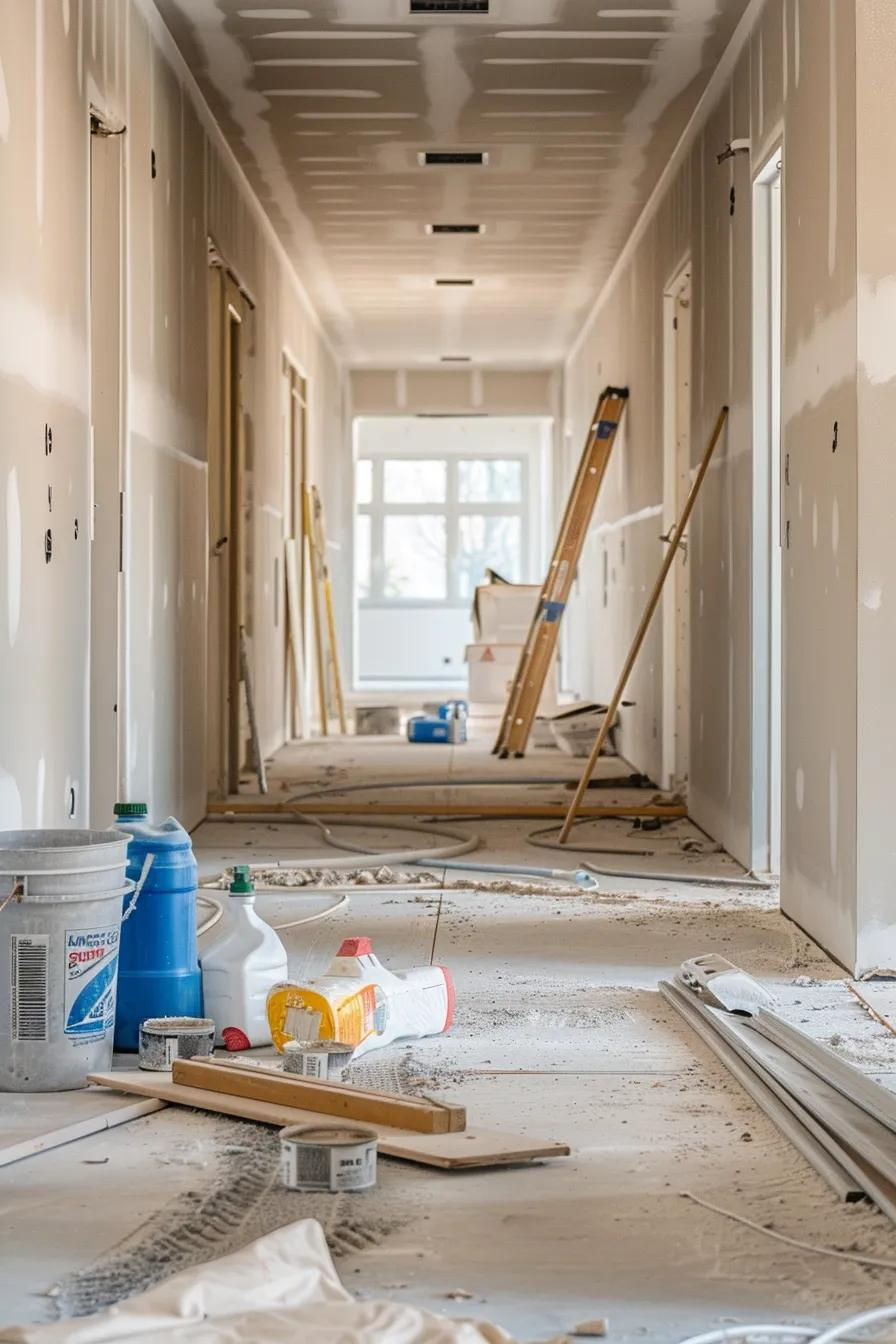
Post‑construction cleanup for a new home is a step‑by‑step process to remove debris, control hazardous dust, and sanitize surfaces so the property is safe and truly move‑in ready. New builds collect fine dust, stray fasteners, paint residue and construction chemicals — all of which can cause breathing problems, cuts, slips or contamination. Managing these risks takes planned, phased cleaning, the right PPE and engineered dust controls. This guide lays out a complete safety‑focused checklist for new home cleanups: the three cleaning phases, essential safety protocols, eco‑friendly product choices suited to homes in British Columbia, and the regulatory points to watch. You’ll also find recommended equipment—HEPA vacuums and air scrubbers—practical handling and disposal steps for hazardous residues like silica‑contaminated debris and paint waste, plus clear instructions for requesting a professional estimate. Use this checklist to get trades, cleaners and homeowners working together on a safety‑first path to a healthy indoor environment and an efficient final turnover.
What Are the Key Phases of New Home Construction Cleanup for Safety?
Post‑construction cleaning is broken into three main phases—Rough Clean, Light Clean and Final Clean—each focused on removing increasingly fine contaminants and lowering risk to occupants. Phased work prevents re‑contamination, matches tasks to the right PPE and equipment, and supports regional waste‑handling and worker‑safety expectations. Below we outline each phase’s goals, core tasks, and the most effective safety controls and tools so teams can plan sequencing and resources. Knowing what happens in each phase helps homeowners and contractors coordinate debris sorting, dust control and final sanitization while protecting workers and future occupants.
Different phases call for different crews: trades and site teams usually handle rough debris, specialist cleaners take on the light clean with HEPA gear, and professional final‑clean crews deliver the move‑in ready detailing and inspection. Correct sequencing reduces rework and guards indoor air quality as finishes go in.
What Does the Rough Clean Phase Include for Construction Site Safety?

The rough clean focuses on removing large debris and obvious hazards so the site is safe to access and walk through. Teams collect and separate bulky materials, pull nails and sharp objects, secure temporary walkways and perform coarse sweeping that limits dust re‑suspension. Recommended PPE at this stage includes puncture‑resistant gloves, steel‑toe footwear, eye protection and at least a particulate respirator in very dusty areas. Separating recyclables from mixed waste and clearly marking hazardous items during the rough clean reduces cross‑contamination and makes later disposal safer and simpler.
How Is the Light Clean Phase Conducted to Control Dust and Prepare Surfaces?
The light clean targets fine dust and prepares surfaces for final finishes using top‑down dusting, HEPA‑filtered vacuuming and careful cleaning of fixtures and glass. Technicians work from ceilings down, using certified HEPA vacuums to capture respirable particles instead of moving them around. Surface wiping uses low‑VOC, non‑abrasive cleaners to protect finishes while removing particulate films that can affect coatings. Microfiber cloths are changed often to avoid re‑depositing dust. Coordinating ventilation—temporary exhaust or air scrubbing—during the light clean lowers airborne particle levels and improves surface cleanliness ahead of the final clean.
What Are the Final Clean Steps to Ensure Move‑In Ready Safety and Sanitization?
The final clean confirms every living space is free of dust, residues and contamination and that sanitization standards are met before people move in. Tasks include room‑by‑room HEPA vacuuming, wet‑mopping hard floors with eco‑friendly cleaners, polishing glass and mirrors, detailing appliances and fixtures, and sanitizing bathrooms with low‑odor disinfectants safe for finished surfaces. A final air‑quality check — a visual inspection for dust film and optional particulate spot checks — pairs with a written QA sign‑off that records completed tasks and any remaining issues. The objective is a move‑in ready home where both visible hazards and invisible respiratory contaminants are addressed.
Homes vary; tailor the final‑clean checklist for flooring, finishes and specialty surfaces to avoid damage and ensure occupant safety.
Phase | Typical Tasks | Safety Controls / Tools |
Rough Clean | Remove bulk debris, clear sharp objects, secure access paths | Gloves, steel‑toe boots, coarse sweeping, labeled waste bins |
Light Clean | Top‑down dusting, HEPA vacuuming, pre‑clean windows & fixtures | HEPA vacuums, microfiber cloths, temporary ventilation, N95/P100 respirators |
Final Clean | Room‑by‑room deep clean, sanitization, polishing, QA inspection | HEPA filtration, low‑VOC cleaners, air scrubbers, inspection checklist |
Which Safety Protocols Are Essential During New Construction House Cleanup?
Key safety protocols combine the right PPE, regulated hazardous‑material handling and engineering controls for dust and ventilation; together these protect workers and future occupants. A written safety plan that identifies hazards, required PPE and targeted engineering controls helps teams meet local expectations and best practices. This section covers PPE choices, hazardous‑waste workflows and dust‑control strategies so homeowners and crews can limit exposure to respirable silica, volatile residues and other construction risks.
Using engineering controls early — source capture, negative pressure containment and air scrubbing — reduces reliance on PPE alone and improves indoor air quality for the people who will live in the home.
What Personal Protective Equipment Is Required for Post Construction Cleaning?
PPE should match the task and expected hazards. Choose respirators that fit the exposure: N95s for general dust, P100 or elastomeric respirators for high silica or prolonged exposure, plus safety goggles, puncture‑resistant gloves and protective footwear. Hearing protection may be needed for noisy equipment, and disposable coveralls can stop contamination transfer on clothing. The right PPE lowers inhalation and contact risks and helps meet worker‑protection expectations during every cleanup phase.
If you’re unsure about respirator choice, err on the side of higher filtration and perform fit checks — that reduces airborne exposure during HEPA vacuuming and debris sorting.
PPE Item | Risk Mitigated | Specification / Recommendation |
Respirator | Inhalation of dust and silica | N95 for light dust; P100 or higher for silica exposure; fit‑tested when required |
Eye protection | Particulate and splash hazards | Impact‑rated goggles or safety glasses with side shields |
Gloves | Cuts and chemical contact | Puncture‑resistant gloves for debris; chemical‑resistant gloves for solvents |
Footwear | Crushing and puncture | Steel‑toe or composite‑toe safety shoes |
Coveralls | Contamination transfer | Disposable or washable coveralls for high‑dust jobs |
How Should Hazardous Materials Be Handled and Disposed Safely on Construction Sites?
Hazardous residues — paint thinners, solvent‑soaked rags, and suspected silica‑laden dust — need identification, segregation and containment before transport to an approved hazardous‑waste facility. Isolate suspect materials in clearly labeled containers, keep incompatible wastes apart, and follow regional hazardous‑waste guidance for routing and permitted disposal. For paint or solvent waste, allow solids to harden or absorb liquids with approved media before disposal per local rules; for silica‑contaminated debris, treat it as dusty waste and use covered bins to limit airborne release during transport. Clear labeling and containment protect handlers and simplify compliant disposal.
Keeping records of hazardous‑waste generation and transfers adds transparency and helps homeowners show that waste was managed responsibly at turnover.
What Dust Control and Ventilation Strategies Improve Safety and Air Quality?
Good dust control mixes source capture, HEPA filtration, air scrubbers and ventilation tactics like staged flushing and negative pressure containment to stop contaminants spreading. Use HEPA vacuums for surfaces and crevices, set up portable air scrubbers to lower ambient particle levels, and consider negative‑pressure setups for dusty work. Source capture — local extraction at grinders or sanders — keeps dust out of living spaces. Ongoing visual checks or spot monitoring during cleaning confirm whether controls are working and guide adjustments.
Layering these engineering controls with appropriate PPE delivers much better indoor air quality for workers and future occupants than relying on any single measure.
The three most effective dust‑control strategies are:
Source Capture: Extract dust at the point of generation with local vacuums or extraction tools to minimize airborne release.
HEPA Filtration: Use HEPA‑filtered vacuums and air scrubbers to remove respirable particles from surfaces and air.
Ventilation Management: Create negative pressure and stage flushing to direct contaminants away from occupied zones.
Using these three strategies together results in measurable air‑quality improvements versus single controls alone.
Specialized equipment like portable dust removers plays a key role in keeping construction sites safe and healthy.
Portable Dust Remover for Construction Sites: Improving Air Quality and Worker SafetyEffective dust control and strong occupational safety practices are essential to reduce the health risks of construction dust. Equipment such as portable dust removers with HEPA filtration helps improve air quality and protect workers by trapping fine particles at the source.Portable Dust Remover for Construction Sites: Improving Air Quality and Worker Safety
How Can Eco‑Friendly Cleaning Products Enhance Safety in New Home Construction Cleanup?
Eco‑friendly cleaning products cut occupant exposure to volatile organic compounds and residual chemicals while still removing construction films, adhesives and grime. Choosing low‑VOC, biodegradable cleaners and non‑abrasive polishes supports indoor air quality, protects delicate finishes and aligns with sustainability priorities common across the Lower Mainland. Below we explain why these products matter, which types to prefer, and how to confirm suitability for post‑construction work in BC homes.
Non‑toxic formulas also reduce extra rinsing and minimize chemical residues that can react with finishes or collect in indoor dust.
What Are the Benefits of Using Non‑Toxic, Sustainable Cleaning Solutions?
Non‑toxic cleaners lower indoor VOC levels that can irritate breathing and cause long‑term off‑gassing in newly finished homes. These milder chemistries are often compatible with many surfaces — hardwood, engineered floors, painted cabinets and countertops — so you’re less likely to damage finishes. Eco‑preferable products also make moving in easier for families with children, pets or chemical sensitivities by cutting lingering smells and residues. Choosing low‑VOC options supports the indoor air quality goals central to a safety‑focused final clean.
Picking sustainable products supports waste‑reduction efforts and often matches procurement practices used across the Lower Mainland.
During cleaning, be aware of chemicals that may be present from paints, stains, lacquers and other finishing products.
Occupational Health and Safety in New Residential Construction: Hazard Exposure AssessmentOccupational health and safety surveillance in new residential construction uses task‑based exposure assessment to identify hazards. These can include chemicals found in lacquers, stains, paints and cleaning compounds, especially during staining, lacquering and cleaning activities.Occupational health and safety surveillance: task‑based exposure assessment of hazards in new residential construction, JL McKernan, 2000
Which Eco‑Friendly Products Are Recommended for Post‑Construction Cleaning in BC?

Look for low‑VOC all‑purpose cleaners for general surfaces, biodegradable degreasers for kitchens, non‑abrasive glass cleaners for windows and low‑odor disinfectants for bathrooms that sanitize without harsh fumes. Check for low‑VOC labeling or recognized eco certifications to ensure products keep emissions down. Local suppliers across the Lower Mainland stock many certified options suited to delicate finishes and heavy‑duty residue removal. Always test any cleaner on an inconspicuous area before wide use to confirm finish compatibility.
Balance cleaning power with VOC content to keep surfaces safe and indoor air quality healthy.
Product Type | Environmental / Health Attribute | Recommended Characteristics |
All-purpose cleaner | Low‑VOC, biodegradable | pH‑neutral, non‑abrasive |
Degreaser | Biodegradable, low‑toxicity | Enzyme‑based or citrus solvents with low‑VOC |
Glass cleaner | Non‑ammonia, low‑odor | Streak‑free, low‑VOC formulation |
Disinfectant | Low‑odor, surface‑safe | Health Canada‑ or EPA‑accepted alternatives to strong chlorine products |
Why Choose Professional Construction Cleaning Services for Your New Home Cleanup?
Hiring a professional like Bubbly Cleaning Services Inc. brings trained staff, specialised equipment and documented processes to complete phased cleaning safely and efficiently. Pros supply HEPA‑grade vacuums, air scrubbers, hazardous‑waste handling know‑how and a structured QA sign‑off that lightens the homeowner’s load and speeds turnaround. For Lower Mainland projects, working with a local provider helps ensure compliance with regional disposal rules and access to eco‑friendly products. Investing in professionals typically saves time, improves indoor air quality and produces predictable final results.
A pro team also coordinates scheduling with trades and can expand scope to include tasks like light‑fixture cleaning and final sanitization, streamlining the handover.
How Does Bubbly Cleaning Services Inc. Ensure Safety and Satisfaction in New Home Cleanup?
Bubbly Cleaning Services Inc. follows a safety‑first approach to construction cleaning with services that include debris removal, dust control using HEPA‑grade equipment, light and glass cleaning, bathroom sanitization, and wall and floor cleaning for new homes. Serving the Lower Mainland, BC, we prioritise environmentally friendly products and support our work with a 100% satisfaction guarantee. With construction cleaning as a core service and years of local experience, we focus on reliable execution and documented quality checks to help homeowners move into safe, move‑in ready homes.
If you’re ready for professional help, request a free quote or book services to get an accurate scope and a schedule tailored to your home’s phase and specific hazards.
What Are the Advantages of Hiring Experts for Post Construction Cleaning in the Lower Mainland?
Local pros offer real benefits: knowledge of regional hazardous‑waste routes, supplier relationships for low‑VOC products, and experience coordinating with trades to cut rework. Experts lower homeowner liability by using recognized safety controls — correct PPE, containment and documented disposal — that meet regional expectations. They can also bring specialised gear like industrial HEPA vacuums and air scrubbers that are costly to rent and need trained operators, delivering safer, faster results than DIY. Local know‑how plus equipment access shortens timelines and improves final indoor air quality.
Choosing a trusted local service means cleanup plans reflect both safety needs and local permitting or disposal rules.
What Are the Most Important Construction Site Cleaning Guidelines to Follow for Safety?
Construction cleaning should follow local worker‑protection guidance and best practices for housekeeping, hazard communication and waste handling. Key practical steps translate broad rules into on‑site actions: require the right PPE, keep safety data sheets for chemicals, segregate hazardous waste and use engineering controls for dust. Below is a concise set of actions you can apply on site to cut exposure risks and document compliance during post‑construction cleaning.
Clear documentation of safety steps and waste transfers improves transparency and helps show that cleaning met expected standards at turnover.
How Do Local BC Safety Regulations Impact New Home Construction Cleanup?
British Columbia guidance focuses on worker protection, hazard communication and responsible waste handling; cleaning teams should line up their procedures with those expectations. Practically, this means ensuring workers have suitable respiratory and eye protection, identifying and managing hazardous materials via regional routes, and documenting training or supervision when specialised equipment is used. For homeowners, pick crews that know local disposal pathways and can provide documentation that hazardous waste was handled correctly. Addressing regional rules early reduces risk and creates a defendable record of safe practices at handover.
Following these regional practices early prevents surprises at final inspection and protects both workers and future occupants.
What OSHA Guidelines Should Be Followed During Post‑Construction Cleaning?
OSHA is a U.S. standard, not a BC regulator, but many of its rules are useful best practices for respiratory protection, hazard communication and housekeeping during cleaning. Useful areas include respiratory protection program elements (selection, fit‑testing, training), keeping safety data sheets and correct labeling for chemicals, and routine housekeeping to prevent slips, trips and falls. Using these recognized practices as guidance helps teams implement layered protections while still meeting local requirements.
Applying these standards as guidance supports robust safety controls and complements regional rules.
Practical compliance checklist for site safety:
Documented PPE requirements and training: Make sure workers understand respirator selection and proper use.
Hazard communication: Keep SDS documents accessible and label all hazardous containers.
Waste segregation and containment: Separate hazardous from non‑hazardous waste with clear labeling.
How Can You Request a Free Quote and Book Safe New Home Construction Cleanup Services?
To get an accurate quote, provide concise site details and a clear scope so providers can estimate labour, equipment and special handling needs. Share square footage, number of levels, floor and finish types, the construction phase (rough, light, final), any hazardous materials (visible silica dust, paint or solvent waste), site access constraints and desired timeline. Photos or a short walkthrough video speed up accurate estimating and reduce follow‑up questions. With this information, providers can propose a scope, list required equipment (HEPA vacuums, air scrubbers) and give a provisional timeline to hit your move‑in target.
Having the right details up front speeds responses and improves estimate accuracy, lowering the chance of scope changes once work starts.
What Information Is Needed to Get an Accurate Post Construction Cleaning Estimate?
A solid brief gives cleaning vendors what they need for a precise quote: total square footage and level count, floor and finish types, which phases are done and which remain, observed hazards (silica dust, solvent residues), access constraints (stairs, narrow doors), and any timing or staging needs. Note whether light fixtures or appliances need detailing and whether you want HEPA‑level air scrubbing or air‑quality verification. Including photos or a list of recent trades on site helps estimators predict debris types and hazardous‑material likelihood.
Using this checklist in your initial inquiry cuts back on back‑and‑forth and yields more reliable pricing and scheduling.
Information to include in a quote request:
Site specs: Square footage, number of levels, flooring and finish types.
Scope details: Phase (rough/light/final), visible debris, known hazards.
Access & timing: Site access limits, required completion date and coordination notes.
How to Schedule Professional Construction Cleaning Services with Bubbly Cleaning Services Inc.?
Scheduling with a pro follows three simple steps: request a free quote with the site details above, review the written estimate and confirm scope and timing, then book a service date that aligns with trades and turnover timelines. Bubbly Cleaning Services Inc. provides construction cleaning — debris removal, dust control, light and glass cleaning, bathroom sanitization and wall and floor cleaning — for new homes across the Lower Mainland. Request a free quote to define the exact scope and schedule. We’ll confirm equipment needs like HEPA vacuums or air scrubbers so the crew arrives prepared and in line with the agreed safety plan.
Confirming the schedule and any access instructions in writing helps ensure a smooth turnover and lowers the risk of delays during the final clean.
What to expect after requesting a quote:
Written estimate: Scope, equipment and timeline details.
Confirmation: Agreed service date and onsite access instructions.
Service delivery: Work performed with documented QA and satisfaction assurance.
Frequently Asked Questions
What are the common hazards associated with post-construction cleaning?
Common hazards include sharp debris, hazardous dust such as silica, and chemical residues from paints and solvents. These can cause cuts, respiratory problems and slips. Using appropriate PPE and effective dust control measures is essential to reduce these risks and keep workers and future occupants safe.
How can homeowners prepare for a post-construction cleanup?
Homeowners should clear personal items from the space and confirm that all trades have finished. Tell the cleaning crew about any suspected hazardous materials or areas needing special attention. Sharing details like square footage and finish types helps crews plan correctly and makes the cleaning process smoother and more thorough.
What should be included in a post-construction cleaning contract?
A good contract outlines the scope of work for each phase (rough, light and final), the types of products and safety protocols to be used, required equipment and any timelines or payment terms. It should also state guarantees for satisfaction or quality. Clear documentation prevents misunderstandings and ensures accountability.
How often should air quality be tested during the cleaning process?
Test air quality at key stages — after the rough clean and before the final clean — to confirm dust and contaminants are under control. Regular monitoring can spot increases in particulates or VOCs and let the team adjust cleaning methods or ventilation. Proactive checks help ensure the indoor environment is safe for occupants.
What are the benefits of using professional cleaning services over DIY methods?
Professionals bring specialised equipment, trained crews and proven safety protocols. They handle hazardous materials properly, follow local regulations, and can manage complex tasks quickly and safely. Pros also provide quality assurance and guarantees, saving homeowners time and reducing the risk of injury or finish damage compared with DIY attempts.
What eco-friendly practices should be considered during post-construction cleaning?
Use low‑VOC, biodegradable cleaning products, minimise water use, and dispose of hazardous materials correctly. Employ HEPA filtration and air scrubbers for dust control and choose certified eco‑friendly products where possible. These practices improve indoor air quality and support sustainability, making the home safer for people and the environment.
Conclusion
A thorough post‑construction cleanup creates a safer, healthier home by removing hazardous debris and contaminants. Professional services help ensure compliance with local rules and improve indoor air quality with specialised equipment and eco‑friendly products. Follow the safety protocols and phased cleaning steps in this guide to reach a move‑in ready home that puts occupant wellbeing first. When you’re ready, request a free quote from our experienced team to make the transition smooth and safe.


Comments