
Post-Construction Cleaning: Practical Tips to Remove Debris and Prep Your Site

Post-construction cleaning is the professional process of clearing the dust, debris and residues left after a build, renovation or demolition so a site is safe and ready to occupy. Leftover materials and fine particulates aren’t just untidy — they can create safety risks, shorten HVAC life and delay handover. Using a structured approach to debris removal and dust control reduces risk and helps projects close out faster. This guide walks you through the common debris you’ll see, proven removal methods, HEPA- and HVAC-integrated dust control, and room-by-room deep-clean steps for homes, commercial spaces and industrial sites. Builders and property managers in the Lower Mainland and New Westminster area can speed remediation and ensure compliant, eco-friendly disposal by hiring professional post-construction cleaning services like Bubbly Cleaning Services Inc. Request a free quote or book online or by phone. Below we cover debris categories, safe hauling and waste-management practices, HEPA dust removal, area-specific checklists, why professionals help, and how pricing is calculated so you can request an accurate quote.
What Are the Key Types of Construction Debris and Dust to Remove?
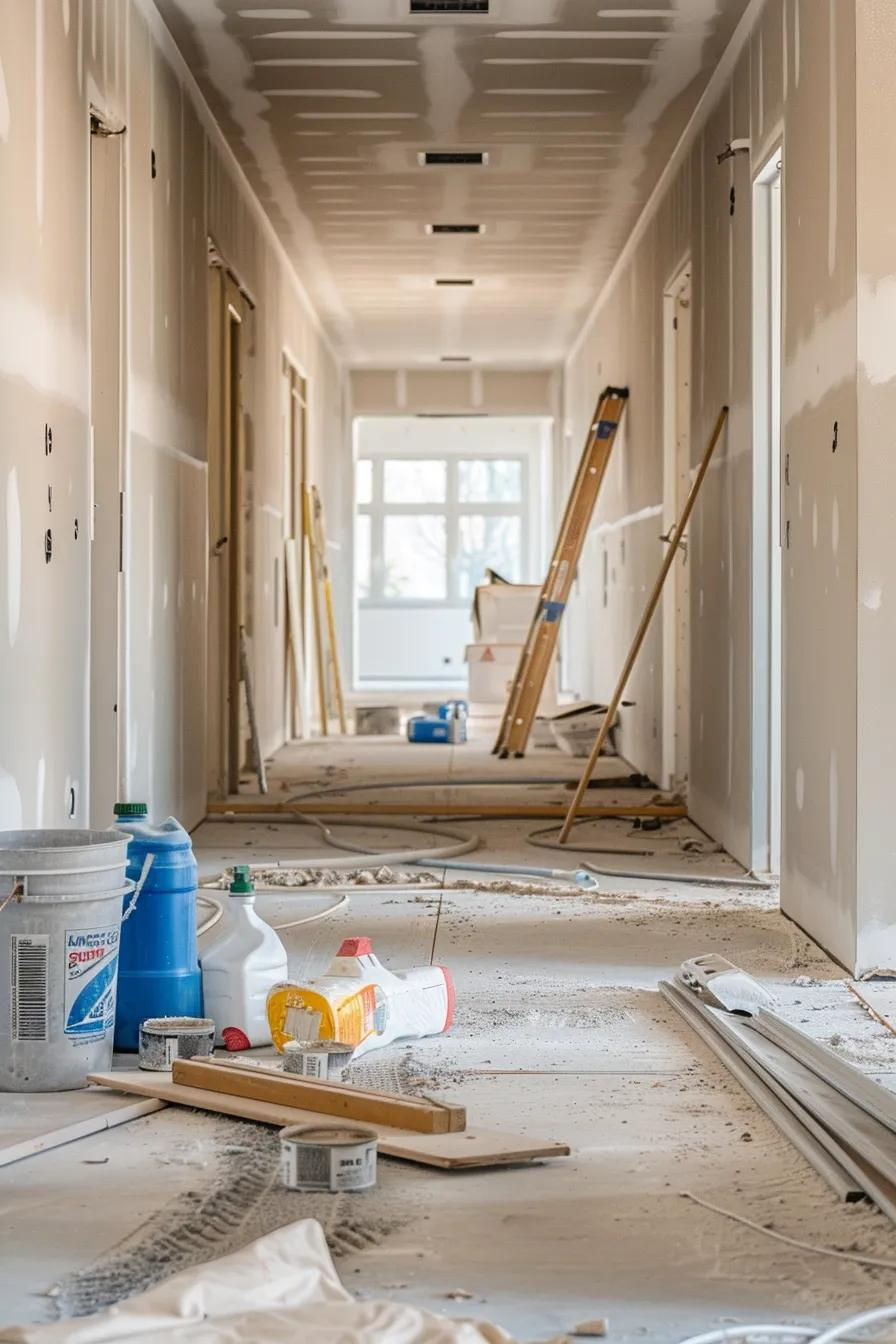
Construction sites produce a mix of materials and particulates that must be removed to protect workers and future occupants. Debris ranges from large pieces—framing lumber and metal offcuts—to fine residues such as drywall dust and silica. Each material behaves differently, needs different handling, and carries specific hazards that affect removal and disposal. Sorting material into recyclable, landfill and hazardous streams early prevents rework, protects equipment and limits indoor air quality (IAQ) problems. The list below summarizes the common debris you’ll encounter and why each matters.
Wood and lumber offcuts: Tripping hazards that may hide nails and splinters—can damage equipment and injure crews.
Drywall and gypsum dust: Very fine dust that clogs filters, abrades finishes and can irritate lungs and eyes.
Metal scraps and fasteners: Sharp, puncture-risk items that need secure containment before hauling.
Packaging and plastics: Lightweight pieces that blow around and make final cleaning harder if left in place.
Adhesives, paint overspray and caulk residues: Chemical residues that require specific solvents and careful disposal.
Early sorting makes the site safer and simplifies recycling and disposal. Proper triage also highlights items that need special handling or licensed waste contractors.
Which Construction Debris Materials Require Special Handling?
Certain wastes are hazardous or regulated and must be handled with extra precautions to meet environmental and safety rules. Examples include asbestos-containing material, lead-based paint chips, chemical containers and some sealants. These require containment, specialist testing and documented disposal to avoid legal or health consequences. If you suspect regulated material, stop general cleanup, isolate the area and arrange testing or licensed abatement. PPE and respiratory protection should stay in use until hazards are cleared. Do not let untrained workers remove regulated wastes—improper handling raises exposure risks and can spread contamination. Knowing when to escalate protects crews, occupants and project timelines.
How Does Construction Dust Affect Indoor Air Quality and Safety?
Construction dust includes coarse fragments and respirable particles like crystalline silica from cutting concrete and masonry. Long-term silica exposure can cause serious respiratory disease, and even short-term exposure causes irritation. Dust also migrates into HVAC systems, shortening filter life and redistributing particles if ducts and filters aren’t addressed. Using HEPA filtration, source capture during cutting and a progressive high-to-low cleaning sequence prevents recontamination and improves IAQ before occupancy. Treat dust as both an IAQ and safety hazard—this justifies HEPA-grade equipment and certified technicians on more complex jobs.
HEPA Air Cleaner Efficiency in Particle Removal and Airflow DynamicsPortable HEPA air cleaners in a hospital ward setting reduced particle concentrations and increased the effective air-change rate for particles (measured between about 2.7 and 5.6 ACH). The HEPA unit’s supply jet changed room airflow patterns and introduced more mixing; noise rose when the cleaner ran at maximum airflow. These findings support HEPA use to lower airborne particle levels while noting airflow and noise effects. (Particle removal efficiency of the portable HEPA air cleaner in a simulated hospital ward, H Qian, 2010)
Debris Type | Hazard / Special Handling | Disposal / Recycling / PPE Required |
Drywall dust | Respiratory irritation, clogs filters | Bag and route to construction waste stream; use N95 or HEPA vac for removal |
Concrete / silica dust | Silica exposure risk | Contain work, use wet-cutting; HEPA vac and respirators; licensed disposal if contaminated |
Lead paint chips | Neurotoxic exposure, regulated | Licensed abatement or certified handler; sealed containment and documented disposal |
Chemical containers | Flammable / toxic residues | Triple-rinse and label; dispose via hazardous-waste channels; gloves and eye protection |
This table summarizes common debris categories where hazards change handling and disposal decisions. Correct identification reduces exposure and keeps disposal compliant.
What Are the Most Effective Techniques for Construction Debris Removal?

Effective debris removal starts with planning, the right equipment and staged workflows that separate bulk removal from fine-particle control. Start with a rough clean to clear bulk waste and create safe access, then follow with a progressive clean for smaller debris and dust. Use designated staging areas so materials don’t migrate into finished zones. A mix of manual sorting, team lifts or mechanical assistance for heavy items, and roll-off dumpsters for volume creates an efficient removal pipeline that saves labour and time. Coordinate recycling and licensed haulers for hazardous streams to lower landfill costs and ensure regulatory compliance.
Stage and sort: Separate recyclables, landfill waste and hazardous items to streamline hauling.
Use appropriate containment: Wrap or tarp loads to stop wind-blown debris and dust spread during transport.
Coordinate haulers and pickups: Pick dumpster sizes to match volume and schedule pickups to prevent site congestion.
These steps create a reliable debris pipeline and lead naturally into safe hauling and compliance practices. Knowing the right equipment and safety measures helps crews work without compromising site integrity.
How Is Large Debris Safely Hauled and Disposed?
Moving large materials safely needs clear staging, proper lifting technique and the right hauling equipment to avoid injury and damage. Set a ground-level staging zone for lumber, palletized material and fixtures; use team lifts, dollies or small forklifts when needed and cap exposed fasteners. Use roll-off dumpsters sized to the job to avoid overfilling and reduce manual handling; label dumpsters for recyclables vs mixed waste so haulers and recycling centres can sort efficiently. Inspect loads for hazardous residues, secure them against spillage, and brief crews on traffic and pickup logistics before transfer.
What Specialized Waste Management Practices Ensure Compliance?
Compliance depends on correct classification, documentation and use of licensed handlers for regulated streams like asbestos, lead or hazardous chemicals. Keep manifests and disposal receipts for hazardous loads and track recycling tonnage to meet local reporting rules—this protects owners and contractors during audits. Hire certified hazardous-waste transporters for regulated materials and follow local segregation and packaging guidelines. Diverting metal, clean wood and cardboard reduces landfill costs and supports sustainability while ensuring non-recyclables are disposed of lawfully.
Equipment / Method | Use Case | Best Practice / Frequency / Safety Notes |
Roll-off dumpster | Large-volume waste | Match size to scope; inspect and secure loads before pickup |
HEPA-rated vacuum | Fine dust capture | Use during progressive clean; empty into sealed containers |
Manual sorting stations | On-site segregation | Train staff; remove sorted loads daily to staging area |
Wet-cutting & containment | Silica-generating tasks | Always use water suppression and local exhaust; crews wear full respirators |
This equipment-method table shows which tools suit specific removal tasks and the safety notes crews should follow. Pairing the right methods with protocols keeps removal compliant and efficient.
How Can Dust Be Thoroughly Eliminated After Construction?
Thorough dust control combines HEPA filtration, methodical high-to-low cleaning and HVAC attention to stop re-suspension and recirculation. HEPA vacuums capture respirable dust that standard vacuums miss; microfiber cloths and damp-wiping trap settled dust without kicking it back into the air. The recommended sequence is ceilings and high surfaces first, then ledges and fixtures, finishing with floors and HVAC filters. After surface cleaning, replace or clean HVAC filters so dust trapped in ducts doesn’t re-enter cleaned spaces. Coordinating HEPA and HVAC work delivers lasting IAQ improvements.
Step 1: HEPA vacuum ceilings, light fixtures and high shelving to remove airborne-settled dust.
Step 2: High-to-low microfiber dusting and damp-wiping to capture residue without aerosolizing particles.
Step 3: Final HEPA vacuum and damp-mop of floors, then replace HVAC filters to prevent recirculation.
Using this staged approach reduces recontamination and prepares the site for final inspections, which is why HEPA and high-to-low sequencing are preferred.
Why Use HEPA Vacuuming and High-to-Low Dusting Techniques?
HEPA filtration traps at least 99.97% of particles 0.3 microns and larger, making HEPA vacuums the standard for fine dust such as silica and drywall particulates. High-to-low dusting keeps settled dust from falling onto already-cleaned surfaces, reducing repeat passes. Microfiber cloths outperform cotton because their fibres and electrostatic properties capture more particles. Used together, HEPA equipment and high-to-low technique improve IAQ and lower the chance of recontamination.
How Is HVAC System Cleaning Integrated into Dust Removal?

HVAC cleaning matters because ducts and filters can store construction dust that later recirculates into cleaned areas. Sequence the work: complete primary HEPA surface cleaning first, then replace or clean filters and perform duct or coil cleaning if needed. Coordinate cleaning crews and HVAC technicians to limit downtime and document filter changes and any duct work to keep IAQ records. Including HVAC in the cleaning scope helps make dust removal durable and keeps occupants healthier.
Equipment / Technique | Purpose | Best Practice / Safety Note |
HEPA vacuuming | Capture respirable dust | Use certified HEPA units; empty into sealed containers |
Microfiber damp-wiping | Remove settled dust without aerosolizing | Change cloths often; rinse with eco-friendly cleaners |
HVAC filter replacement | Prevent recirculation | Replace after primary cleaning; note filter type and date |
Containment barriers | Prevent cross-contamination | Install before dusty tasks; remove after HEPA passes |
This table links equipment and techniques to clear actions and safety notes crews should follow when integrating HVAC cleaning into dust control. Consistent use of these practices preserves IAQ gains from surface work.
What Are the Essential Steps in Deep Cleaning Specific Areas Post Construction?
Area-focused deep cleaning turns a dusty construction zone into move-in-ready space by addressing windows, fixtures, walls, floors and restrooms with targeted methods. The sequence matters: remove bulk debris, HEPA vacuum, high-to-low damp-wipe, then apply specialty treatments for overspray, grout haze or adhesive residues. Use the right tools—scrapers and tested solvents for overspray, non-abrasive pads for finished floors, and commercial disinfectants for restrooms—to restore surfaces without damage. The checklists below outline the tasks and final inspections needed for a professional handoff.
Windows and glass: Carefully remove overspray with scrapers and suitable solvents, then squeegee for a streak-free finish.
Walls and baseboards: HEPA vacuum first, then spot-clean with gentle cleaners to protect paint.
Floors: Sweep and HEPA vacuum, then damp-mop or machine-scrub by finish type; treat grout haze where needed.
Restrooms: Deep disinfect, replace fixtures that can’t be cleaned, and check plumbing access points for debris.
Following these area workflows protects finishes and ensures the site is sanitary and presentable for occupancy—read on for tools and techniques for windows and fixtures.
How to Clean Windows, Glass, and Fixtures Effectively?
Removing paint splatter, adhesive and grit from glass and fixtures without scratching surfaces takes care and the right order. Start with a dry HEPA vacuum to pull away abrasive particles, then use a plastic razor or scraper at a low angle for paint spots and test solvents in a hidden area first. Finish with a streak-free glass cleaner and a squeegee or microfiber towel, and protect hardware from corrosive chemicals. For high or exterior glazing, follow working-at-height safety rules and coordinate with glazing contractors if seals or panes look damaged.
What Are Best Practices for Walls, Floors, and Restroom Sanitization?
Treat each surface by material: painted drywall responds to gentle spot-cleaning, tile and grout often need alkaline cleaners or grout treatments, and hardwood or sensitive finishes should avoid excess water and use manufacturer-approved products. Reserve machine-scrubbing or stripping for resilient surfaces. Restroom work should include terminal disinfection of fixtures, drains and high-touch points with approved disinfectants and a documented checklist to confirm pathogen reduction. Final inspections should confirm surface integrity and that overspray or stubborn stains were properly handled.
Area | Task | Outcome / Note |
Windows & Glass | Remove overspray, squeegee finish | Streak-free visibility; check seals |
Walls & Baseboards | HEPA vacuum then spot-clean | Protects paint and reduces rework |
Floors | Sweep, HEPA vac, then damp-mop or machine-scrub | Surfaces ready for use; follow floor-type instructions |
Restrooms | Deep disinfect, replace fixtures/filters if needed | Sanitary handoff with documented cleaning |
This table lays out tasks and expected outcomes for each area, helping crews plan the right tools and cleaners. Applying area-specific methods produces consistent handoff quality across projects.
Why Choose Professional Post-Construction Cleaning Services in Lower Mainland, BC?
Local professional crews combine training, equipment and regional knowledge to deliver consistent, compliant post-construction cleaning that saves time and lowers risk compared with DIY efforts. Trained technicians use HEPA-rated vacuums, industrial scrubbers, containment systems and documented waste-handling to protect IAQ and meet disposal regulations—helping projects close faster and occupants move in safely. Local providers understand disposal and recycling channels in the Lower Mainland and New Westminster, which simplifies documentation and waste diversion. If you’d rather outsource cleanup while keeping sustainability and safety top of mind, professional services give predictable quality and hands-off coordination.
Expertise: Trained crews know sequencing, HEPA protocols and finish-safe methods.
Equipment: Industrial HEPA vacuums, scrubbers and containment gear deliver superior IAQ results.
Local compliance: Providers familiar with Lower Mainland disposal channels simplify documentation.
Bubbly Cleaning Services Inc. provides post-construction and during-construction cleaning across the Lower Mainland, with a focus on 100% customer satisfaction, eco-friendly cleaning options and evening and Saturday availability for flexible scheduling. Builders and property managers who want reliable debris removal, dust control and final-clean services with sustainability in mind can request a free quote or book via the company’s website or by phone to speed project handoff.
How Do Expertise and Specialized Equipment Improve Cleanup Quality?
Professional equipment and trained crews capture finer particulates, reduce the chance of surface damage and finish work faster than ad-hoc efforts. HEPA vacuums, industrial scrubbers and HVAC coordination lower IAQ risks, while paint-safe solvents and controlled scrapers protect finishes. Experienced teams also anticipate problem areas—grout haze, adhesive residues—and apply targeted treatments that avoid repeat passes. These efficiencies shorten schedules and can lower total cleaning costs compared with repeated DIY attempts, making professionals cost-effective for larger or complex jobs.
What Safety Protocols and Compliance Standards Are Followed?
Professional cleaners follow PPE standards, use containment for hazardous work and escalate regulated materials to licensed waste handlers. Standard protocols include respirators for silica-prone tasks, gloves and eye protection around chemicals, and documented manifests for hazardous disposals. Crews keep checklists for filter replacement, duct cleaning coordination and final IAQ verification when required. Following these steps protects workers and occupants and helps project stakeholders meet local regulatory expectations.
How Is Pricing Determined and How Can You Request a Free Quote?
Post-construction cleaning costs depend on measurable factors rather than a flat per-day rate. Key drivers include square footage, scope (rough vs final clean), debris volume and type, presence of hazardous materials, accessibility and scheduling constraints like evening or weekend work. Estimates factor labour intensity (number of passes, overspray removal) and equipment needs (HEPA units, dumpsters, scissor lifts). Providing basic project details up front—square footage, site photos, likely waste types, timeline and access limitations—helps cleaners deliver accurate free quotes. The table below summarizes common cost drivers to explain why a small renovation and a large commercial final clean can vary significantly in price.
Cost Factor | Why It Matters | How It Affects Price |
Square footage | Larger areas need more labour and time | Increases baseline labour and equipment hours |
Debris volume / type | Volume and hazardous streams change handling | More dumpsters and specialized disposal raise costs |
Access & logistics | Tight access or multiple levels add complexity | Raises labour time and equipment needs |
Scheduling (evenings / weekends) | Off-hour availability affects crew scheduling | May increase fees for flexible service windows |
Knowing these cost drivers helps owners plan budgets and avoids surprises at quote time. With those factors in mind, prepare the information below to get an accurate free quote.
What Factors Influence Post Construction Cleaning Costs?
Costs hinge on real variables: the area size, the amount and nature of debris, surface types that need special care, and whether HVAC and duct cleaning are required. Hazardous materials or licensed-handler needs increase costs because of testing, containment and regulated disposal. Accessibility—tight sites or required lifts for high windows—raises labour and equipment charges. Tight timelines or off-hour requests can also affect price because they require scheduling flexibility and possibly extra crews.
How to Easily Request a Free Quote or Book Services with Bubbly Cleaning Services Inc.?
To request a free quote from Bubbly Cleaning Services Inc., have these project details ready: project type (renovation, new build or commercial final clean), approximate square footage, photos and descriptions of debris or trouble spots, desired timing and any access constraints. Contact the company by website or phone and include photos and clear scope notes to speed an accurate estimate. Bubbly offers evening and Saturday availability and prioritizes eco-friendly practices and 100% customer satisfaction—so include scheduling preferences and sustainability goals when you inquire.
Info to provide for a quote: Project type, square footage, photos of site, access limitations, preferred dates.
Booking tip: Include preferred service windows (evening / Saturday) to match the company’s flexible availability.
These details cut back-and-forth and help produce faster, more accurate proposals that fit your schedule and environmental priorities.
Cost Factor | Attribute | Impact on Quote |
Square footage | Scope of labour | Directly scales labour estimate |
Debris composition | Hazardous vs inert | Triggers licensed handler fees if required |
Timing & access | Off-hour or constrained access | May increase labour and equipment costs |
This final table summarizes pricing drivers so you can anticipate how scope and conditions affect your free quote. Supplying clear information up front is the fastest way to get an accurate estimate and schedule professional post-construction cleaning.
Frequently Asked Questions
What are the benefits of hiring professional post-construction cleaning services?
Hiring professionals saves time and reduces risk. Trained crews handle different debris types safely, follow regulations and use specialized equipment like HEPA vacuums and industrial scrubbers for better IAQ and surface results. Professionals also manage waste disposal and documentation so you don’t have to, delivering a faster, compliant handoff compared with DIY cleanups.
How can I ensure my construction site is compliant with local waste disposal regulations?
Sort debris into recyclable, general and hazardous streams and keep records for all disposals. Use licensed handlers for regulated materials (asbestos, lead) and keep manifests and receipts. Working with a local cleaning provider familiar with regional rules is the easiest way to meet requirements and avoid surprises during audits.
What types of equipment are essential for effective post-construction cleaning?
Key equipment includes HEPA-rated vacuums for fine dust, industrial scrubbers for heavy surface cleaning and roll-off dumpsters for large waste volumes. Manual sorting stations and containment barriers help manage onsite segregation and prevent cross-contamination. Microfiber cloths and damp-wiping tools finish surfaces without redistributing dust.
What are the common mistakes to avoid during post-construction cleaning?
Common errors include failing to sort debris (causing compliance and cost issues), skipping high-to-low dusting (leading to recontamination) and neglecting HVAC filters and ducts (which lets dust recirculate). Also avoid harsh chemicals that damage finishes. A trained team helps avoid these mistakes and ensures a thorough, compliant clean.
How often should HVAC systems be cleaned after construction?
HVAC systems should be serviced after major construction and before final cleaning to prevent dust recirculation. Regular maintenance—filter changes and duct checks—every 6–12 months is a good rule, depending on use and conditions. Consult HVAC pros to set the best schedule for your site.
What should I include in a post-construction cleaning checklist?
A solid checklist covers bulk debris removal, HEPA vacuuming of all surfaces, high-to-low damp-wiping, window and fixture cleaning, HVAC filter replacement and restroom disinfection. Include checks for paint overspray, grout haze and hard-to-reach debris, then perform a final inspection to confirm the site is ready for occupancy.
Conclusion
Post-construction cleaning improves indoor air quality, ensures regulatory compliance and speeds debris removal so spaces are ready for occupants. Professional teams use the right equipment, safe practices and local knowledge to deliver consistent, sustainable results. For builders and property managers in the Lower Mainland, working with a reliable provider like Bubbly Cleaning Services Inc. streamlines project closeout and reduces headaches. Request a free quote today to see how professional cleaning can move your project across the finish line.


Comments