
Smart, Stress-Free New Home Cleanup for Construction Debris — Post-Construction Cleaning & Debris Removal

New-build homes often hold layers of construction debris and fine dust that slow move-in and can affect indoor air quality if left untreated. This practical guide lays out staged, hands-on strategies for clearing large waste, controlling drywall and paint dust, and prepping systems like HVAC for safe occupancy. You’ll find do-it-yourself tips plus clear signs it’s time to call professionals. For trusted local help, Bubbly Cleaning Services Inc. serves the Lower Mainland, B.C., with eco-friendly cleaning, a 100% satisfaction guarantee, and free quotes to plan debris-heavy jobs. We walk you through a phased checklist, debris- and waste-management workflows, HEPA and air-scrubbing best practices, green-product recommendations and health benefits, expectations for larger commercial sites, and the main time-and-cost drivers so you can get accurate estimates. Along the way we give clear equipment suggestions, safety protocols, and room-by-room tactics so you can make confident choices and verify results before move-in.
What Are the Essential Steps in a New Home Post-Construction Cleaning Checklist?
A phased approach breaks the work into manageable passes so each step removes a different class of soils and prevents recontamination. The three main phases—rough, detailed, and final—tackle large debris first, then fine dust and residues, and finish with polishing and verification. That order cuts down on rework and gets homes move-in ready faster. Below is a short, scannable checklist that site managers or homeowners can follow to prepare a new home for occupancy.
Rough cleaning phase: Remove large debris, packaging, and bulk waste to create safe access and staging zones for trades and cleaners.
Detailed cleaning phase: HEPA vacuuming, wet wiping of surfaces, specialty removal of paint splatters and grout haze, and fixture cleanup.
Final touch-up cleaning: Polish hardware, clean windows and tracks, apply floor protectors or finishes, and perform verification checks.
This numbered checklist helps teams confirm deliverables at each handover. Matching these phases to service options makes it easier to decide when to hire pros: Bubbly Cleaning Services Inc. can handle rough clearing and staging, detailed HEPA dust control, and final verification passes using environmentally friendly products.
Before we look at tools and room-specific steps, the table below compares each phase with typical tasks and the supplies you’ll need to plan labor and time.
This quick reference translates each phase into practical tasks and necessary supplies.
Phase | Task Examples | Tools / Supplies |
Rough cleaning phase | Remove scrap lumber, packaging, large tile offcuts, stage bulk waste | Heavy-duty bags, roll-off bin or skip coordination, work gloves, push brooms |
Detailed cleaning phase | HEPA vacuuming, wipe surfaces, remove grout haze and paint spots | HEPA vacuum, microfiber cloths, eco-friendly cleaners, scrapers |
Final touch-up cleaning | Polish fixtures, clean windows and tracks, apply final floor protection | Lint-free cloths, streak-free glass cleaner, floor finish materials, inspection lights |
How to Perform Rough Cleaning: Removing Large Debris and Waste

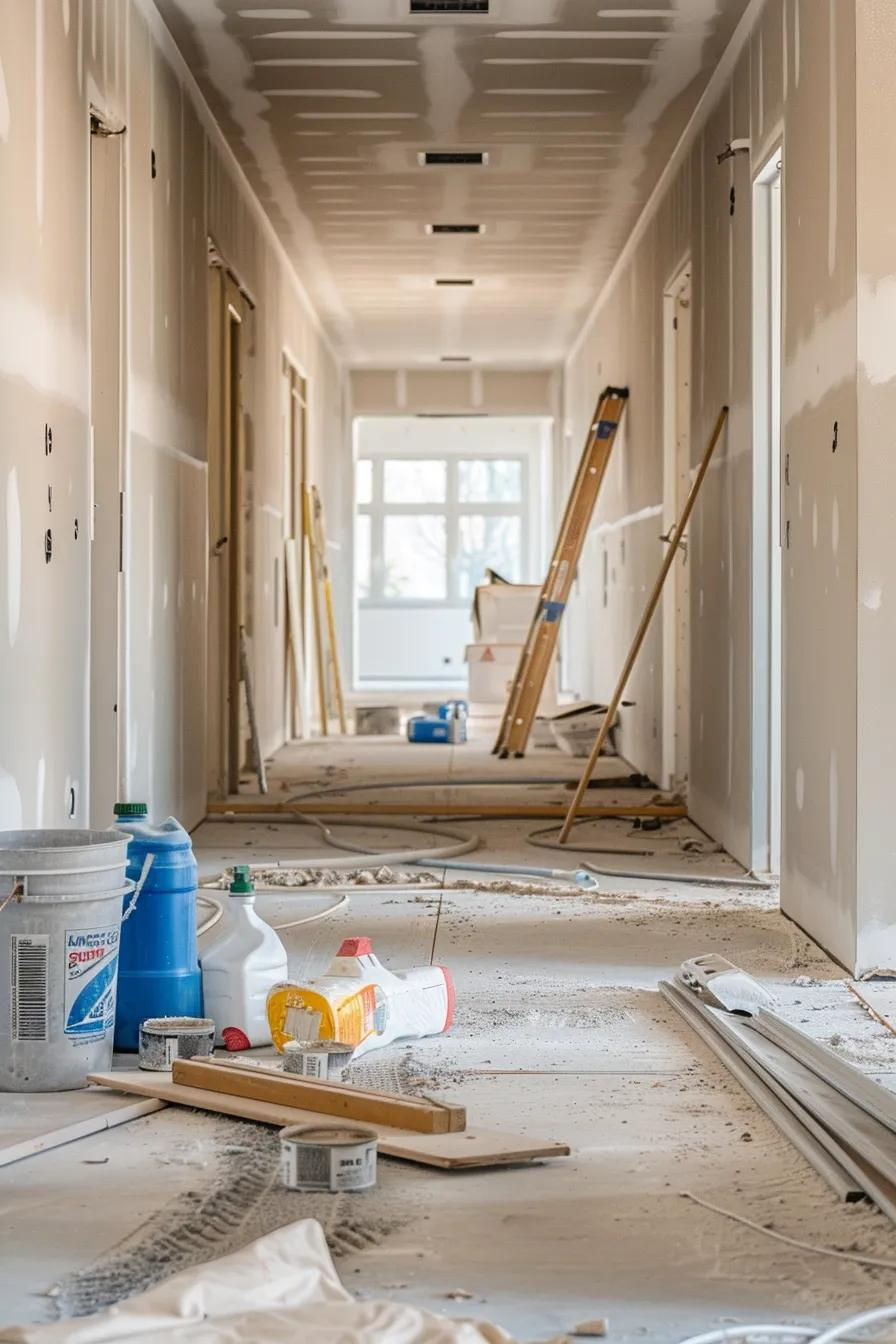
Rough cleaning clears large or hazardous items so detailed work can proceed safely and efficiently. Start by sorting bulky materials—scrap lumber, packaging, tile and drywall offcuts—into temporary staging areas and use barriers to separate unfinished zones from finished spaces. Crews should wear proper PPE and use lifting aids for heavy bundles, while coordinating roll-off bins to avoid repeated handling. Label bins by material to streamline recycling and protect finished floors with temporary coverings during haul-out. Once large debris is removed, do a sweep and a HEPA vacuum pass to pick up settled coarse dust before moving into the detailed cleaning phase; this sets surfaces up for fine-dust removal techniques described next.
What Detailed Cleaning Tasks Ensure Removal of Fine Dust and Paint Splatters?
Detailed cleaning targets fine particles and surface residues left after rough clearing, restoring finishes without damage. Pros work from ceiling to floor: remove cobwebs and overhead dust, HEPA vacuum horizontal surfaces and HVAC returns, dry-wipe with microfiber to trap particles, then damp-wipe trims and appliances to remove remaining soils. For paint splatters and grout haze, use soft scrapers and diluted eco-friendly cleaners, testing in an inconspicuous spot first to protect finishes; stubborn marks usually respond to repeated gentle passes rather than aggressive abrasion. Verification methods include bright-light inspections and tap tests on baseboards to find hidden dust; those checks guide a final HEPA pass before the touch-up stage. Correct sequencing prevents tracked-in dust and keeps finished surfaces pristine for final verification.
How Do Professionals Safely Remove Construction Debris and Manage Waste?
Pros sort construction waste so each material follows the right disposal or recycling route, reducing environmental impact and regulatory risk. Typical waste streams include inert debris (wood, concrete), recyclables (metal, some plastics), and hazardous items (paint cans, solvent rags), each needing proper containers, labels, and transport. Segregation at source cuts cross-contamination and disposal costs while boosting recycling; commercial clients often receive proof-of-disposal documentation for compliance. The table below links common debris types to disposal methods and safety notes to help on-site decisions and contractor responsibilities.
This table helps planners choose how to manage each material from site to final disposal.
Debris Type | Disposal Method | Safety / Compliance Notes |
Drywall and gypsum | Segregate, recycle where accepted; otherwise landfill | Control dust during removal; do not burn; manage scrap to limit airborne dust |
Wood and lumber offcuts | Reuse or recycle; compact into roll-off bins | Remove protruding nails; tie bundles for safe handling |
Metals (pipes, fasteners) | Recycle at metal yards | Use segregated bins and PPE for sharp edges |
Hazardous liquids & rags | Handle as hazardous waste per local rules | Store in labeled containers, follow MSDS guidance and trained handlers |
What Are the Best Practices for Construction Debris Removal and Disposal?
Start with source segregation: set up dedicated bins for metal, wood, and hazardous materials so each stream is handled correctly. Use labeled, covered staging to cut dust exposure and weather damage. Coordinate with subcontractors and site managers to remove bulky items while trades still work and to align final waste with municipal acceptance. Where practical, route good offcuts and metals for reuse to lower landfill waste and save costs. These practices reduce rework, help meet local regulations, and support sustainability goals.
Which Safety Protocols and Equipment Are Required for Debris Handling?
Debris handling needs reliable PPE and controls to protect workers and occupants from cuts, airborne dust, and lifting injuries. Standard PPE includes gloves, eye protection, respirators for dusty tasks, and sturdy boots, along with dollies, lift-assist devices, and hoists for heavy items. Onsite protocols should define containment zones, signage, supervised access, and emergency plans for hazardous materials. Regular training and competency checks ensure crews use safe lifting and handling techniques. Clear routes and temporary floor protection also reduce contamination and trip risks. Following these steps creates a safer site and lowers downtime from incidents.
How Can Post-Construction Dust Be Effectively Controlled in New Homes?
Controlling dust means choosing the right equipment and following a disciplined sequence—capture airborne particles first, then remove settled dust from high to low—so cleaning doesn’t reintroduce contaminants. HEPA-filtered vacuums and portable air scrubbers catch fine drywall and sanding dust that ordinary vacuums miss; containment barriers and negative-pressure setups stop dust migration into finished areas. Pair mechanical controls with microfiber protocols: dry-capture with microfiber, then targeted damp-wiping using low‑VOC, eco-friendly cleaners to bind and remove fines. Upgrading HVAC filters and cleaning registers and accessible ducts reduces recirculation; visual inspection and, if available, particle counters confirm readiness before move-in.
HEPA vacuuming for settled dust capture.
Air scrubbers to lower airborne particulate and create negative pressure when needed.
Microfiber dry-then-wet wiping from ceiling to floor for surface cleaning.
Equipment, containment, and a disciplined cleaning sequence work together to reduce airborne particles and surface residues. After surface cleaning, focus on HVAC filter upgrades and register cleaning to help sustain better indoor air quality.
What Role Do HEPA Filtration and Air Scrubbers Play in Dust Removal?
HEPA filters capture at least 99.97% of particles at 0.3 microns, so HEPA vacuums are essential for fine drywall and sanding dust that ordinary vacuums can re-aerosolize. Air scrubbers with HEPA stages pull contaminated air through staged filters and are run continuously to lower airborne particulate during and after cleaning; pros size scrubbers by room volume and target air changes per hour. HEPA vacuums remove settled dust while scrubbers reduce airborne levels, minimizing re-settling between passes. Typical deployment covers active cleaning plus a controlled post-clean run to catch remaining particles before final checks.
How to Improve Indoor Air Quality and Ventilation After Construction?
Start by creating cross-ventilation where practical—open windows while running mechanical ventilation and air scrubbers to exchange indoor and outdoor air. Upgrade HVAC filters to higher-MERV or HEPA-grade where systems allow, and clean or vacuum registers and accessible ductwork to avoid redistributing settled dust. Run air scrubbers after final cleaning and consider HVAC commissioning to ensure systems deliver clean air effectively. Portable air cleaners in occupied rooms speed particulate removal. Verification can include visual inspections, light-angle checks, and, where available, particle counts to confirm airborne levels are acceptable for move-in.
Why Are Eco-Friendly Cleaning Solutions Important for New Home Construction Cleanup?

Eco-friendly cleaners reduce occupant exposure to volatile organic compounds (VOCs) and limit environmental runoff while protecting sensitive finishes. Low‑VOC, biodegradable products remove common post-construction soils—grout haze, paint dust, adhesive residues—without leaving harmful residues or damaging finishes. Microfiber methods cut water and chemical use by capturing more soil per pass, and dilution control keeps concentrates from being overapplied. Choosing certified green products supports better indoor air and matches regional sustainability expectations—especially important in homes with children, allergy sufferers, or sensitive occupants.
Green cleaning agents that work well after construction include pH‑balanced surface cleaners, citrus-based degreasers, and biodegradable grout cleaners.
Sustainable practices include microfiber use, dose-controlled dilution systems, and reduced-water cleaning techniques to limit runoff.
Look for third-party eco-labels that indicate low‑VOC formulas and biodegradability.
These product choices and methods create healthier indoor environments and protect finishes during necessary cleaning steps. Adding eco-friendly practices into the detailed cleaning phase helps maintain air-quality gains achieved with HEPA and air-scrubbing strategies.
Which Green Cleaning Products and Sustainable Methods Are Recommended?
Recommended categories include pH-neutral cleaners for sealed floors and counters, enzyme-based cleaners for organic residues, and mild alkaline or citrus degreasers for adhesives and silicone—always test first for compatibility. Microfiber cloths and mops reduce chemical and water use because they trap more particles and need less detergent. Use controlled dilution equipment for concentrated products to ensure safe, effective application and avoid residue. When possible, choose products with recognized environmental certifications to minimize VOC emissions and reduce environmental impact.
What Are the Health and Environmental Benefits of Eco-Friendly Post-Renovation Cleaning?
Eco-friendly cleaning lowers exposure to irritating or potentially harmful VOCs, cutting short-term respiratory irritation and long-term cumulative risks—especially for children and sensitive individuals. Biodegradable products and correct waste handling reduce contaminants entering stormwater and landfills. These methods also help preserve finishes by avoiding harsh solvents that can strip sealants, extending the life of installed materials. Overall, greener methods support healthier indoor air and reduce a project’s ecological footprint while keeping cleaning effective.
What Should Commercial Clients Expect from Professional Post-Construction Cleaning Services?
Commercial post-construction cleaning differs in scale, timing, and documentation from residential work. Expect larger crews, heavier equipment like industrial HEPA vacs and multiple air scrubbers, and coordinated access windows to limit disruption during commissioning or tenant moves. Deliverables often include a documented cleaning scope, MSDS handling for hazardous materials, and waste manifests for regulated items—important for audits and facility records. The table below summarizes common commercial deliverables and compliance points to help with RFPs and contracts.
Commercial clients should plan for formal documentation and scheduling that fit larger project workflows.
Deliverable | Typical Contents | Purpose / Client Benefit |
Cleaning scope and checklist | Room-by-room tasks, equipment list, timing | Sets clear handover expectations and acceptance criteria |
Waste and disposal manifests | Segregation records, disposal facility receipts | Provides evidence for regulatory compliance and audits |
MSDS and hazardous handling records | Material ID, handling protocols | Safety documentation for facility managers |
How Do Commercial Post Construction Cleaning Services Differ from Residential?
Commercial jobs scale up staffing, equipment, and formality: multiple crews work in parallel, industrial HEPA vacs and large-capacity air scrubbers are used, and scheduling follows strict safety windows. Documentation needs are higher—clients expect checklists, photos of completed areas, and disposal receipts for facilities management. Coordination with contractors and building managers is more structured, requiring site briefings, traffic control, and sometimes security clearances. These differences make advance planning, staged execution, and strong communication essential to meet timelines and compliance needs.
What Compliance and Safety Standards Are Followed in Industrial Site Cleanup?
Industrial cleanup emphasizes PPE, hazardous-material protocols, and permits or notifications where required, with providers keeping documentation to show safe handling and disposal. Expect MSDS-based procedures for chemicals, staff training records, and proof of insurance or liability on request. Providers should run safety briefings, use signage and containment, and follow practices to avoid cross-contamination. Clients should request compliance evidence and insurance documentation when choosing a vendor to reduce risk and ensure regulatory alignment.
How Long Does Post-Construction Cleaning Take and What Influences the Cost?
Cleaning time and cost depend on key factors—square footage, finish level, debris volume, access complexity, and required equipment—all of which affect labor and consumables. Small, lightly finished homes with minimal debris need fewer passes and less HEPA runtime. Larger homes with high-end finishes, cabinetry, and glass need more careful, time-consuming work and specialty materials. The table below links common project attributes to their impacts on schedule and price so you can anticipate estimates more accurately.
This table shows how core project attributes translate into time and pricing impacts.
Project Attribute | How It Affects Time | How It Affects Cost |
Square footage | Larger areas increase cleaning hours and equipment runtime | Higher labor and equipment charges |
Finish level (high-end) | Requires careful, iterative cleaning and testing | Premium for surface-safe methods and materials |
Debris volume | Needs extra rough-clearing passes and disposal logistics | Higher disposal and labor fees |
Accessibility (stairs, tight spaces) | Slower material movement and longer task times | Greater labor costs due to complexity |
What Factors Affect the Duration and Pricing of New Home Construction Cleanup?
Primary variables include square footage, finish complexity, debris quantity, team size, and whether HEPA filtration and air-scrubbing runs are necessary for sensitive occupants. High‑end finishes need gentler, time-consuming methods; heavy debris increases rough-phase time and may require roll-off coordination. Accessibility limits—narrow entries, multiple flights of stairs, or remote sites—reduce productivity and raise labor hours. Scheduling constraints and documentation needs (for commercial sites) add coordination time. Supplying clear photos and scope details up front reduces estimate errors and speeds booking.
How to Request a Free Quote and Book Professional Construction Cleaning Services?
To request a free quote, have these details ready: total square footage, recent photos of key areas, a short list of visible debris types, your target completion window, and any access constraints. This info helps providers give accurate estimates quickly. Contractors will offer an on‑site inspection or a tailored estimate from photos; expect a confirmation timeline and next steps including scope agreement, deposit terms if required, and scheduling options. Bubbly Cleaning Services Inc. offers free quotes for construction cleanup projects—requesting a quote gets you a detailed plan that aligns with your move-in timeline. Clear upfront information speeds the process and ensures the right crew and equipment are assigned.
Provide square footage and recent photos of the site.
List debris types and any sensitive finishes or HVAC concerns.
Request a free quote to receive a tailored estimate and booking timeline.
Following these steps streamlines quoting so providers can plan resources and give realistic start dates. After you accept a quote, the provider confirms schedule, scope, and any prep needed before arrival.
Frequently Asked Questions
What are the benefits of hiring professional post-construction cleaning services?
Hiring professionals brings experience with hazardous materials, access to specialized equipment, and knowledge of best practices for a thorough clean. Pros remove construction debris and fine dust efficiently, meeting health and safety standards and saving you time. Many services also offer eco-friendly options for healthier indoor air.
How can I ensure my new home is safe for occupancy after construction?
Follow a complete checklist that includes rough cleaning, detailed cleaning, and final touch-ups. Control dust—especially in HVAC—dispose of hazardous materials properly, and perform thorough inspections. Consider using air scrubbers for improved air quality and verify all tasks are completed before moving in.
What types of eco-friendly cleaning products are recommended for post-construction cleanup?
Good choices include pH-neutral surface cleaners, biodegradable degreasers, and enzyme-based cleaners for organic residues. Microfiber cloths and mops reduce chemical use while capturing more dust. Look for products with recognized eco-certifications to ensure low VOCs and biodegradability.
How can I prepare my home for professional cleaning services?
Remove personal items and valuables from areas to be cleaned and provide clear access to all rooms. Tell the cleaning team about any sensitive finishes or HVAC concerns and share relevant construction details, such as material types, to help them plan effectively.
What should I expect during the post-construction cleaning process?
Expect a staged approach: rough cleaning first, then detailed dust and residue removal, and final touch-ups. Crews use HEPA vacuums and air scrubbers as needed and will provide progress updates and a final inspection before handover.
Are there specific safety protocols for handling hazardous materials during cleanup?
Yes. Crews use PPE—gloves, masks, goggles—and follow MSDS guidance for any chemicals encountered. Hazardous materials are labeled and contained, handled by trained staff, and disposed of according to local regulations to prevent cross-contamination.
Conclusion
A clear, phased post-construction cleaning plan makes new homes safe and welcoming while protecting indoor air quality. Working with a professional like Bubbly Cleaning Services Inc. gives you local expertise, eco-friendly options, and proven cleaning methods tailored to your project. Ready to move forward? Request a free quote and let us help you finish the job right—so you and your family can enjoy a cleaner, healthier home from day one.


Comments